
|
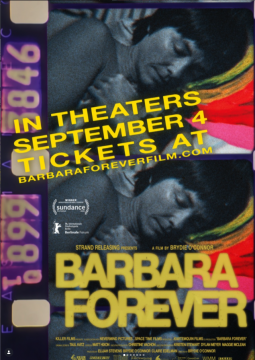
Discover Barbara Hammer The theatrical release of BARBARA FOREVER (dir. Brydie O’Connor) introduces new audiences to pioneering lesbian filmmaker Barbara Hammer. Explore the life and legacy of Barbara Hammer through her own films — and the work she inspired. |
 |
|
Women Make Movies is proud to have supported BARBARA FOREVER, directed by Brydie O’Connor, through our Production Assistance Program. Drawing on Hammer’s extensive archive, audio diaries, and conversations with her longtime partner, Florrie Burke, the film offers an intimate portrait of her life, art, and enduring influence. BARBARA FOREVER won the Jonathan Oppenheim Editing Award at Sundance and the Teddy Award for Best Documentary/Essay Film at the Berlinale. Now playing in theaters. “A pioneer of lesbian cinema gets a documentary worthy of her.” |
|
|
“I choose film and video as a medium to make the invisible, visible. Anyone can be left out of history. I am compelled to reveal and celebrate marginalized peoples whose stories have not been told.” |
After watching BARBARA FOREVER, hear Barbara tell her own story.In TENDER FICTIONS, Barbara Hammer turns the camera on herself. Funny, audacious, and formally inventive, Hammer’s cinematic autobiography traces her transformation from would-be child star to lesbian artist and activist—and the communities and movements that shaped her along the way.
|
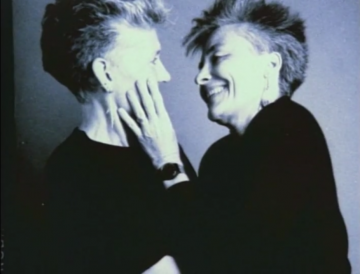
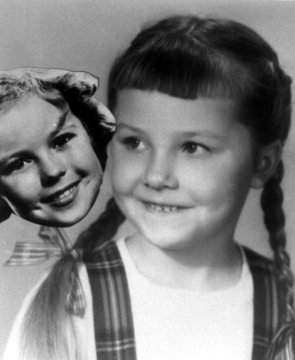
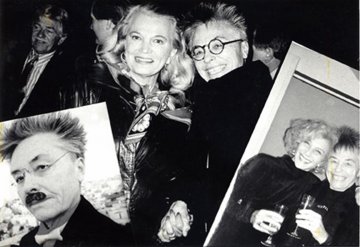
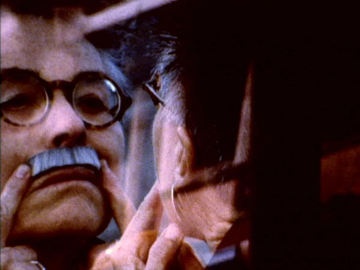
Bring TENDER FICTIONS to Your Campus or Community
|
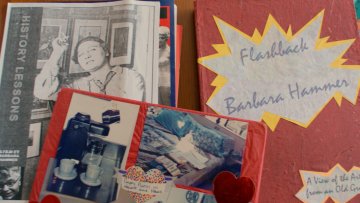
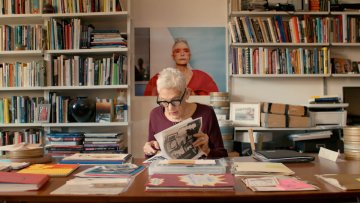
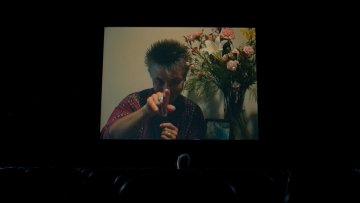
LOVE, BARBARA: A moving companion to BARBARA FOREVERIn Brydie O’Connor’s award-winning short LOVE, BARBARA, Florrie Burke reflects on her life with Hammer and discovers artwork inspired by their relationship that Hammer left for her to find. An intimate exploration of love, grief, and artistic legacy, the film offers a moving companion to BARBARA FOREVER.
|
Ways to Access LOVE, BARBARA
|
Continue Exploring Barbara Hammer’s WorkWomen Make Movies also distributes the following films by Barbara Hammer: |
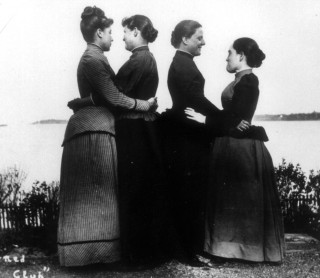 |
The Female Closet 1998 | 60 minutes | Color This fascinating film from renowned filmmaker Barbara Hammer combines rare footage, interviews, and rich visual documentation to survey the lives of variously closeted women artists from different segments of the 20th century: Victorian photographer Alice Austen, Weimar collagist Hannah Höch, and present day painter Nicole Eisenman. In a compelling examination of the art world’s treatment of lesbians, Hammer documents how the museum devoted to Austen ignores the implications of her crossdressing photos, how the Museum of Modern Art glossed over Höch’s sexuality in a major exhibit, and how Eisenman’s work based on patriarchal porn is described by critics as “liberating, fun, and over the top”. Examining the museum as closet, and the negotiation of visibility and secrecy in lesbian history, this thoughtful film is a provocative look at the relationship between art, life, and sexuality. Read more and license |
|
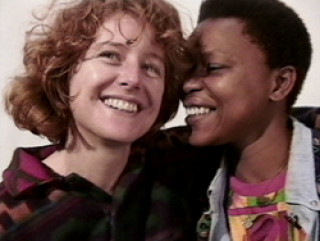 |
Out in South Africa 1995 | 51 minutes | Color In 1994, Barbara Hammer was invited to South Africa to present a retrospective of her 77 films and videos at OUT IN SOUTH AFRICA, the first gay and lesbian film festival on the African continent. While in South Africa she taught several groups of people how to use video, and to record each other in interviews about life as a lesbian or gay man living in the townships. OUT IN SOUTH AFRICA is the result of Barbara Hammer’s journey and those interviews; a profoundly moving portrait of lesbian and gay life in a country juggling its spirit of optimism with the legacy of apartheid—both sexual and racial. Read more and license |
About Barbara Hammer
Barbara Hammer (1939–2019) was a pioneering visual artist whose five-decade career transformed experimental and queer cinema. Across more than 80 moving-image works, she explored lesbian sexuality, identity, history, illness, aging, and the body while challenging the erasure of queer lives from cultural memory. Her films screened internationally at museums and festivals including the Whitney Museum of American Art, the Berlinale, Sundance, and Frameline, and her formally inventive work continues to influence generations of artists and filmmakers.